


Myasthenia Gravis (MG)

Living with myasthenia gravis (MG) can make simple tasks like talking, chewing, or climbing stairs feel exhausting. Muscle weakness tends to worsen with activity and improve with rest, creating a pattern of fluctuating symptoms that can be unpredictable and frustrating. Our goal at Singlepoint Healthcare is to help patients with MG regain strength, stability, and confidence through comprehensive care and advanced treatment strategies.

What is Myasthenia Gravis?

Myasthenia gravis is a chronic autoimmune neuromuscular disorder that disrupts communication between nerves and muscles, leading to muscle weakness and fatigue. This condition occurs when the immune system mistakenly attacks the receptors at the neuromuscular junction, preventing muscles from responding properly to nerve signals. Although symptoms can vary in severity and progression, MG often affects the muscles that control the eyes, face, swallowing, and breathing.

Common Myasthenia Gravis Symptoms

Symptoms of myasthenia gravis can vary depending on the muscle groups affected. Common signs include:

Muscle weakness that worsens with activity

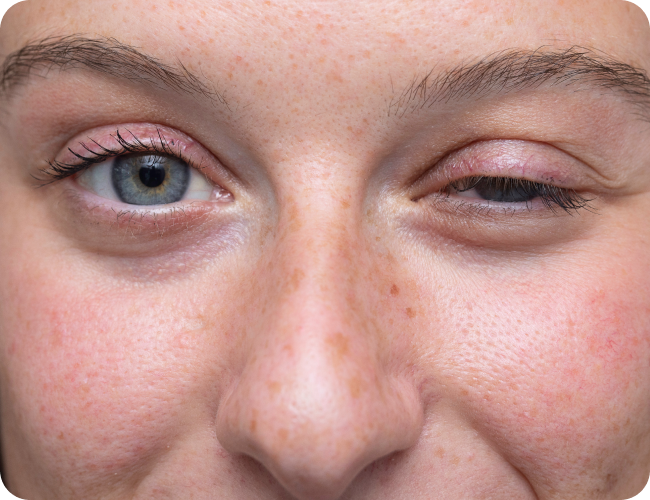
Drooping eyelids (ptosis)

Double vision (diplopia)

Difficulty speaking, chewing, or swallowing

Weakness in the neck, arms, or legs

Shortness of breath in severe cases

Need More Info?

Common Questions About Myasthenia Gravis

What causes myasthenia gravis (MG)?

Myasthenia Gravis is caused by an autoimmune response in which the body’s immune system produces antibodies that interfere with the communication between nerves and muscles. These antibodies block or destroy the receptors for acetylcholine, leading to weakness and fatigue.

How is MG diagnosed?

Diagnosis typically involves a combination of physical examinations, blood tests to detect specific antibodies, and electromyography (EMG) to measure muscle response. Imaging studies, such as a CT or MRI scan, may also be performed to check for abnormalities.

Can MG be cured?

While there is currently no cure for myasthenia gravis, many patients experience significant improvement with treatment; some patients may even experience long-term remission with appropriate care.

Is exercise safe for people with MG?

Exercise can be beneficial when done safely and under medical supervision. Gentle, low-impact activities such as stretching, walking, and light resistance training can help maintain muscle strength and endurance.

What treatment options are available for Myasthenia Gravis?

Treatment depends on the severity and type of MG. Common therapies include acetylcholinesterase inhibitors (to improve muscle communication), immunosuppressants (to reduce immune system activity), and IVIG or plasma exchange (to remove harmful antibodies).

Our Approach to Myasthenia Gravis

At Singlepoint Healthcare, MG management follows a structured, patient-centered process:

Assessment:

Evaluating your symptoms, medical history, and functional limitations to determine the type and severity of MG.

Plan:

Developing a personalized treatment plan, including medications, infusion therapy, and supportive care.

Treatment:

Implementing the plan with ongoing coordination among neurologists, infusion specialists, and therapy providers.

Results:

Continuous monitoring and adjustment to ensure optimal symptom control, reduced fatigue, and improved quality of life.

Prioritizing Comfort With Myasthenia Gravis

Our team focuses on improving comfort, mobility, and endurance for individuals living with MG. Treatment begins with understanding the specific type and severity of your condition:

  • Generalized MG
  • Seronegative MG
  • Ocular MG
  • Congenital MG
  • Juvenile MG
  • Transient Neonatal MG

Targeted Solutions That Address the Source of Myasthenia Gravis

Our team takes a comprehensive, multidisciplinary approach to managing myasthenia gravis with care plans tailored to each patient’s specific needs. Our care plans may include a combination of medication, infusion therapy, and supportive care.

In addition to medical therapy, we collaborate with rehabilitation and physical therapy partners to enhance mobility, prevent muscle fatigue, and promote long-term wellness. Our goal is to help patients regain control over their symptoms and achieve greater stability and independence.

Enjoy Life Without Limits

Managing myasthenia gravis can restore confidence, independence, and vitality. We’re committed to providing compassionate, coordinated care that helps you overcome challenges, regain strength, and live life to the fullest.

If you or a loved one has been diagnosed with MG, contact us to learn how we can support your treatment journey.