

Neuromyelitis Optica (NMO)

At Singlepoint Healthcare, we understand how unpredictable and life-altering neuromyelitis optica (NMO) can be. Our goal is to provide comprehensive, compassionate care that focuses on reducing relapses, protecting nerve function, and helping patients maintain their independence. Through advanced infusion therapies, personalized treatment plans, and coordinated support, we empower individuals with NMO to live more comfortably and confidently.

What is Neuromyelitis Optica?

Neuromyelitis optica (NMO), also known as Devic’s disease, is a rare autoimmune disorder that primarily affects the central nervous system, specifically the optic nerves and spinal cord. In NMO, the immune system mistakenly attacks healthy cells and proteins, particularly aquaporin-4 proteins in the nervous system, causing inflammation and damage. This can result in vision problems, muscle weakness, paralysis, and other neurological symptoms. Although NMO shares similarities with multiple sclerosis (MS), it is a distinct condition with unique diagnostic markers and treatment approaches.

Common Neuromyelitis Optica Symptoms

The symptoms of NMO vary in severity and duration depending on which part of the central nervous system is affected. Common symptoms include:

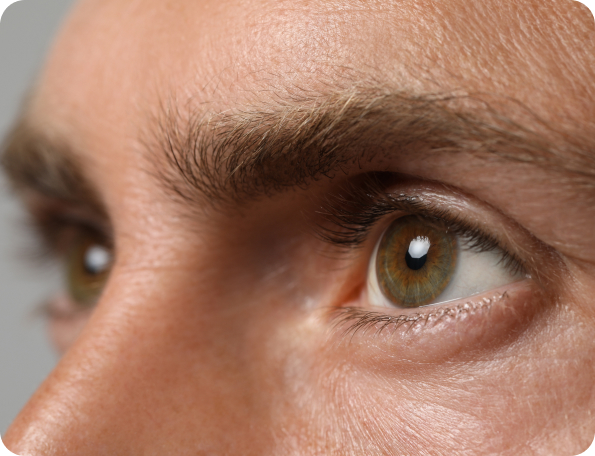
Sudden loss or blurring of vision in one or both eyes

Eye pain, especially with movement

Weakness or paralysis in the arms and legs

Numbness, tingling, or burning sensations

Severe muscle spasms or stiffness

Loss of bladder or bowel control

Persistent nausea, vomiting, or hiccups (caused by brainstem involvement)

Need More Info?

Common Questions About Neuromyelitis Optica (NMO)

How is NMO different from multiple sclerosis (MS)?

While both conditions affect the central nervous system, NMO primarily targets the optic nerves and spinal cord, whereas MS can affect multiple brain and spinal cord areas. NMO also involves specific antibodies that are not seen in MS.

What causes Neuromyelitis Optica?

NMO is an autoimmune condition in which the immune system mistakenly attacks healthy nerve cells. The exact cause isn’t fully understood, but genetic, environmental, and immune-related factors are believed to play a role.

How is NMO diagnosed?

Diagnosis typically involves a combination of MRI imaging, antibody testing, and a thorough clinical evaluation. Early and accurate diagnosis is essential, as misdiagnosis can lead to ineffective treatment.

Is Neuromyelitis Optica treatable?

While there’s no cure, NMO can be managed effectively with immunotherapy, infusion treatments, and medications that reduce inflammation and prevent relapses. Prompt treatment following an attack can also help minimize lasting damage.

Can people with NMO live normal lives?

With proper medical care, many individuals with NMO live active and fulfilling lives. Ongoing management, lifestyle adjustments, and supportive care can greatly improve quality of life and functional independence.

Our Approach to Neuromyelitis Optica

At Singlepoint Healthcare, NMO care follows a structured, patient-centered approach designed for long-term stability and quality of life:

1. Assessment:

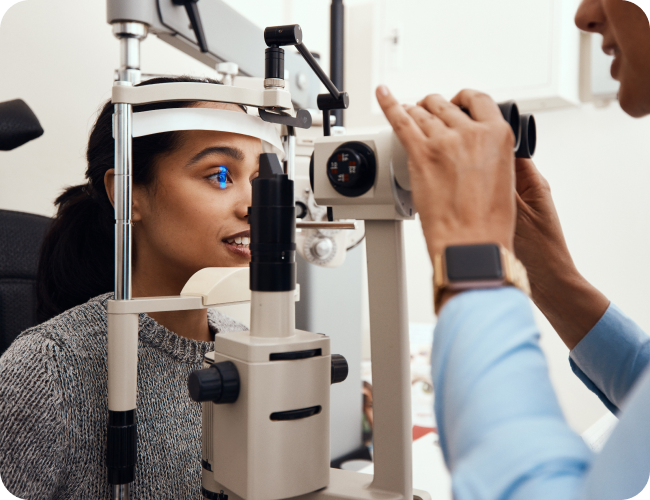
Comprehensive evaluation of symptoms, antibody testing, and imaging to confirm diagnosis and identify the extent of nerve involvement.

2. Plan:

Development of a personalized treatment plan that includes immunotherapy, infusion therapy, and symptom management strategies.

3. Treatment:

Implementation of targeted therapies that address the source of inflammation and support neurological repair.

4. Results:

Ongoing monitoring, patient education, and care coordination to prevent relapses and maintain functional well-being.

Prioritizing Comfort With Neuromyelitis Optica

We recognize that NMO presents differently for each patient. Regardless of type, our focus is on helping patients manage symptoms, prevent future attacks, and maintain comfort through personalized treatment strategies for Relapsing NMO and Monophasic NMO.

Targeted Solutions That Address the Source of Neuromyelitis Optica

Our approach to managing NMO centers on targeting the underlying autoimmune activity and supporting neurological recovery. Treatments may include advanced infusion therapies, corticosteroids, and plasma exchange (plasmapheresis) for severe relapses. We also provide access to maintenance therapies that reduce relapse risk and preserve long-term nerve health.

In addition, patients often benefit from physical and occupational therapy through our partner network. These services focus on improving strength, balance, and coordination while addressing mobility challenges. By combining medical treatment with supportive rehabilitation, we aim to help patients regain function and live with greater independence.

Enjoy Life Without Limits

Living with neuromyelitis optica can be challenging, but it doesn’t have to define your life. With the right care team and tailored treatment plan, you can regain confidence, independence, and peace of mind. Our team at Singlepoint Healthcare is committed to helping you move forward with strength and stability; contact us to get started.